 Promising
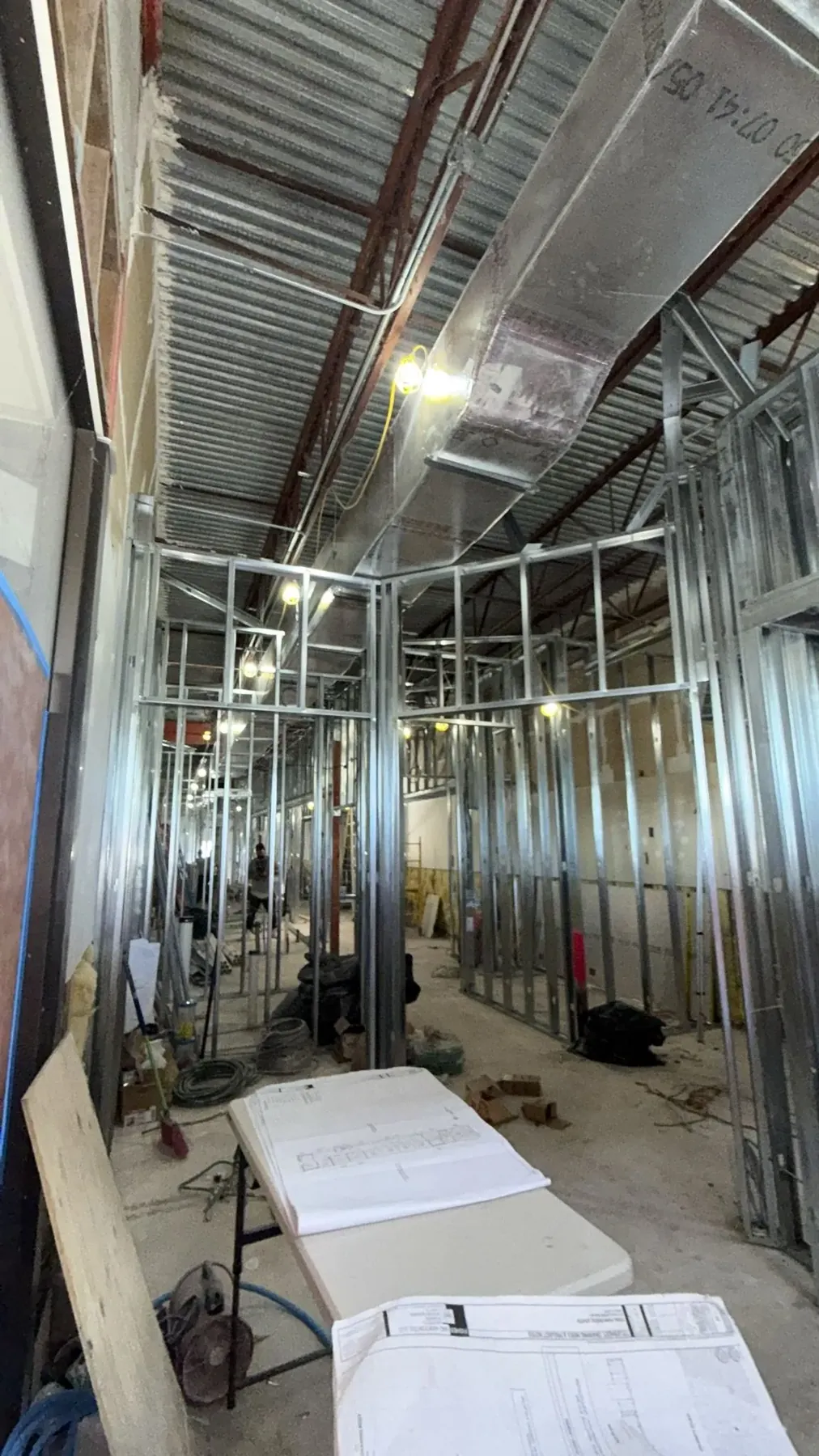
Interior (non-structural) studs
Most commercial partitions use cold-formed steel studs made for non-load-bearing walls. The two sizes you see most often are 25 gauge and 20 gauge.
- 25 gauge is the light, economical option for standard-height partitions
- 20 gauge drywall studs are stiffer and are often specified for taller walls, door and window openings and walls that carry heavier finishes
- Stud depth (such as 2-1/2, 3-5/8 or 6 inches) and spacing also control how far a wall can span
Structural studs
Load-bearing walls, exterior framing and some heavy-duty conditions call for structural studs, which are heavier gauges such as 20, 18 or 16 gauge. These are sized by an engineer and are a different product and price from interior studs.
Why the spec matters in a bid
Two bids can look far apart simply because one priced 25 gauge and the other priced 20 gauge. A good proposal states the gauge, depth and spacing it was priced from, and the drawings or wall-type schedule it came from.
Maximum wall height depends on the stud size, gauge, spacing and deflection limit, so it should come from the manufacturer's tables or the engineer, not a rule of thumb.
- Gauge and depth by wall type
- Stud spacing, usually 16 or 24 inches on center
- Reinforcement at door frames, tall walls and openings
- Blocking or backing for cabinets, millwork, TVs and fixtures
- Deflection criteria noted on the drawings
Blocking and heavy loads
Anything heavy on a wall needs backing planned before the board goes up. Metal or wood blocking, plates and added studs are far cheaper during framing than after drywall is hung.
If your drawings do not call out the gauge or the blocking, send them over. We will flag the gaps and price the wall the way it should be built.
Before you send the plans
Have a question we didn't answer? Call (954) 416-0828 or email info@promisinginteriors.com.
What gauge stud is standard for commercial partitions?
Many commercial interior partitions use 25 gauge or 20 gauge studs. The drawings or the wall-type schedule should state which one applies.
Does a thicker gauge cost more?
Yes. Heavier gauge steel costs more and can also change fastener and labor needs, which is why the gauge should be stated in the bid.
Who decides the stud gauge for tall or load-bearing walls?
The architect or engineer specifies it, using the manufacturer's span tables and the project deflection criteria.
Send us your plans.
Framing, drywall and finishing for general contractors, property managers and home builders across Broward, Palm Beach and Miami-Dade. Estimates are free.