 Promising
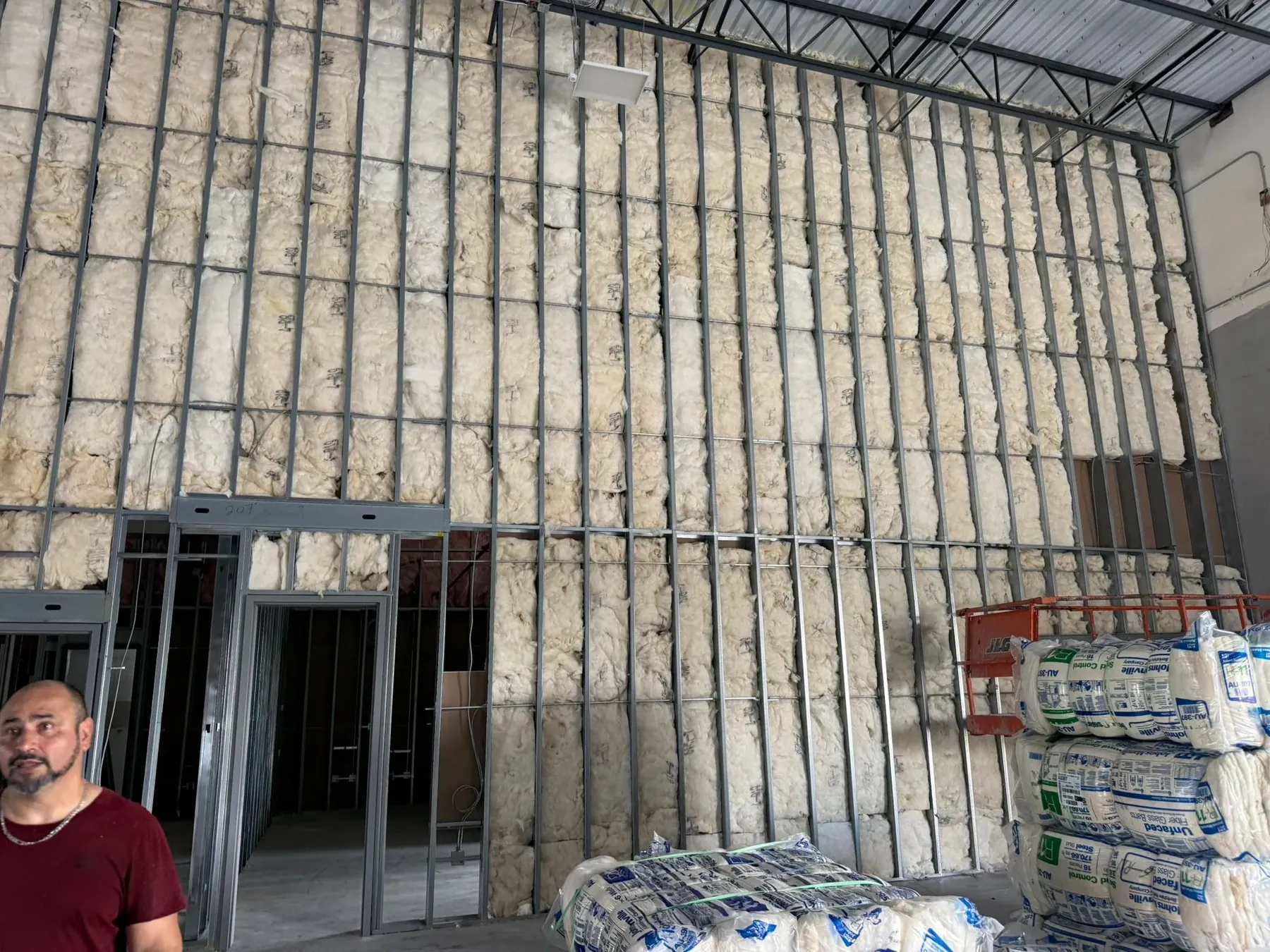
It is an assembly
Sound performance comes from the combination of studs, board layers, insulation, and how the wall is sealed and detailed. The drawings normally call out the assembly or a rating, and the assembly as tested is what counts.
Details that matter
Gaps defeat sound control. Small openings around penetrations, outlets and the top and bottom of the wall let sound travel.
- Sealant at the perimeter of the wall
- Outlets and penetrations offset or sealed
- Insulation type and thickness as specified
- Whether the wall runs to the deck above or stops at the ceiling
- Door and glazing details, which often set the real performance
What to confirm before bidding
Check the wall types and the partition schedule for the assembly and any STC or similar rating. Ask about walls that change type at a ceiling or corridor. If the drawings are unclear, raise it before the bid is due.
Sending us your plans
Send the wall types, partition schedule and details with your request. We price the assemblies as drawn and flag unclear notes.
Before you send the plans
Have a question we didn't answer? Call (954) 416-0828 or email info@promisinginteriors.com.
Does thicker drywall block more sound?
It helps, but the full assembly and sealing matter more than board thickness alone.
Do sound walls go to the deck?
Often, when the drawings call for it. Follow the wall type and detail sheets.
Who decides the sound rating?
The architect or acoustical consultant sets it in the drawings and specifications.
Send us your plans.
Framing, drywall and finishing for general contractors, property managers and home builders across Broward, Palm Beach and Miami-Dade. Estimates are free.